
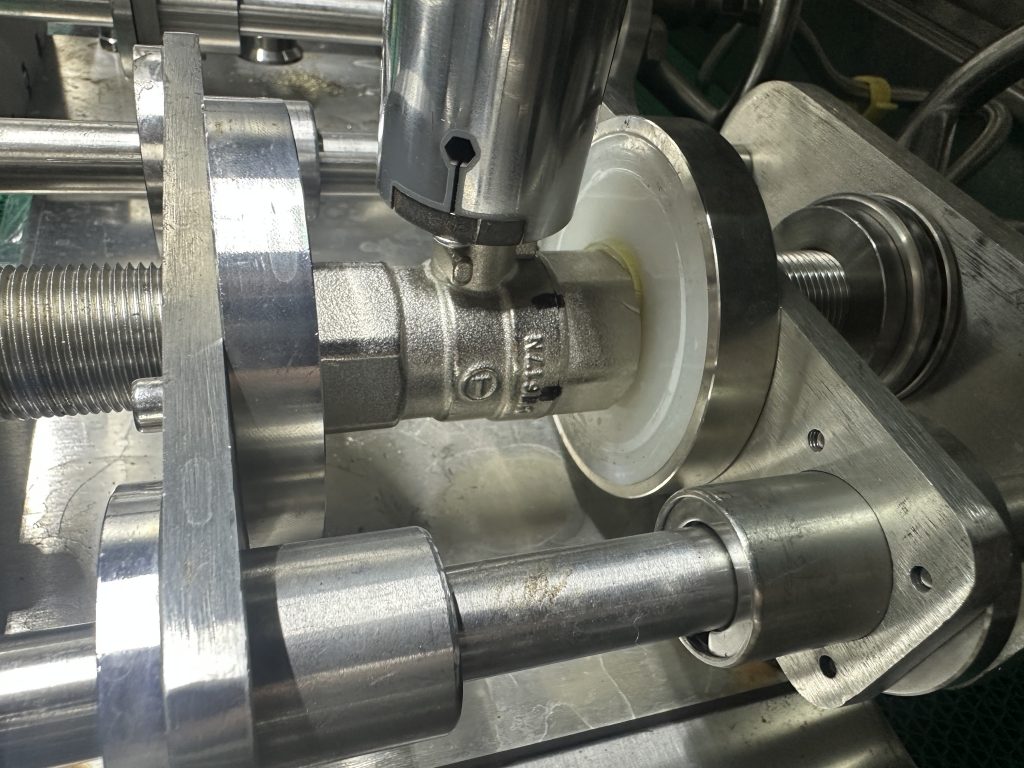
Last month an exporter asked a familiar question: the customer’s drawing cites API 598, we ran the factory test to GB/T 13927 — can we just put a new cover page on the report? No — but nor does the valve need re-testing. The two benches pressurize to values about 7 bar apart, and one judges leakage in drips and bubbles while the other counts mm³/s; a new cover page only hides the difference until acceptance.
The question comes up every week in different forms, but the root is the same: valve testing is covered by more than one set of standards. Four systems — China GB/T, international ISO, US API and European EN — each have their own adoption lineage and revision rhythm, and the standard cited in a product standard, a purchase contract or a lab’s accreditation scope is often not the same document. This article is an index rather than an interpretation: find which standard applies by test type, find a standard’s adoption lineage and current edition by number, and find which clauses moved in the 2025–2026 revision round by edition. Each entry links to the article that explains how to execute that test; here we only solve “which book to look in”.
Start from the test item: five cluster entry points
This page indexes by standard number — useful when a contract cites one and you need the clause. If you are starting from “what test do we have to run”, these five entry points are more direct: each gathers the standards, criteria, bench configuration and common misjudgements for one line of work.
- Pressure and tightness — shell 1.5x, seat 1.1x, and the 6 mbar / 0.5 bar low tiers
- Flow and control performance — Cv/Kv, PRV outlet curves, TMV response
- Life, torque and fatigue — cycle counts, torque, impulse waveform, failure criteria
- Special and safety tests — fire, cryogenic, emissions, type test sequencing
- Certification and market access — PED/CE, NSF 61+372, TSG D7002
1. Four systems are one adoption network, not four parallel standards
Get the relationships straight first; every comparison that follows depends on it.
China’s two pressure-test standards have different adoption sources:
- – GB/T 13927-2022 “Industrial valves — Pressure testing” is a modified adoption (MOD) of ISO 5208:2015: the A–G class system, pressure multipliers and hold-time bands all follow ISO;
- – GB/T 26480-2011 “Valve inspection and testing” is a modified adoption (MOD) of API 598:2009 — not ISO, a point often misreported. Its inspection items, test sequence and record requirements follow US practice.
Both are current and serve different purposes: GB/T 13927 is the general basis cited by product standards such as GB/T 12234 and 12237; GB/T 26480 appears more often in petrochemical and oil & gas technical agreements because its inspection flow matches API 598. Use whichever the contract names; if the contract is silent, check which one the product standard cites — that single rule prevents most disputes.
Europe’s EN 12266-1 is a third line. It was drafted on ISO 5208:1993, not the 2015 edition, so its acceptance tables and test codes (P10 shell strength, P11 shell tightness, P12 seat tightness) are its own and cannot be matched directly to the ISO 5208:2015 class table. EN 12266-2 covers supplementary requirements (low temperature, anti-static, life cycling).
| Standard | Title | System | Adoption / basis | Role |
|---|---|---|---|---|
| GB/T 13927-2022 | Industrial valves — Pressure testing | China | MOD ISO 5208:2015 | General basis, cited by product standards |
| GB/T 26480-2011 | Valve inspection and testing | China | MOD API 598:2009 | Inspection-flow oriented, common in petrochemical projects |
| ISO 5208:2015 | Industrial valves — Pressure testing of metallic valves | International | — | Source of the class system (A–G) |
| API Std 598 (11th Ed., 2023-02) | Valve inspection and testing | US | — | Cited directly in purchase contracts, self-contained |
| EN 12266-1:2012 | Industrial valves — Testing of metallic valves — Part 1: Pressure tests, test procedures and acceptance criteria (mandatory) | Europe | Based on ISO 5208:1993 | Common in EU projects and under PED |
| EN 12266-2:2012 | Same — Part 2: Supplementary requirements | Europe | — | Low temperature, anti-static, cycling |
| MSS SP-61-2019 | Pressure testing of valves | US (manufacturers’ association) | — | General valves outside the API system |
One trap worth naming: the same valve tested to different standards yields different numbers, and that does not mean either side is wrong. The difference comes from the pressure basis (38 °C rating vs ambient CWP) and the leakage unit (drips/bubbles vs mm³/s). The conversion is worked through item by item in API 598 vs GB/T 13927, and metal-seated valves really are judged one class stricter under API 598 than under the default GB class.
2. Pressure testing: three parameters decide whether it is the same test
All the difference sits in three parameters: how test pressure is calculated, how long it is held, and how leakage is judged.
The basis of test pressure
All four systems say 1.5× shell and 1.1× seat, but multiply different bases:
| Item | GB/T 13927-2022 (ISO 5208 system) | API Std 598 (11th Ed.) | EN 12266-1 |
|---|---|---|---|
| Shell (liquid) | 1.5 × CWP (cold working pressure) | 1.5 × 38 °C rating, result rounded up to the next 25 psi increment | 1.5 × 20 °C rating (P10) |
| Shell (gas) | 1.1 × CWP (with safety conditions) | High-pressure gas shell test per clause, higher risk category | Per P10 clauses |
| High-pressure seat | 1.1 × CWP | 1.1 × 38 °C rating | 1.1 × rating (P12) |
| Low-pressure air seat | 0.6 ± 0.1 MPa air | 80 ± 20 psig (about 0.55–0.69 MPa) | Per standard clauses |
| Leakage judgement | A–G classes, mm³/s × DN | drips/min, bubbles/min by size table | mm³/s and bubbles/min in parallel |
The “round up to 25 psi” step is unique to API 598 and often looks like an arithmetic error on first reading: a Class 150 valve rated about 19.6 bar at 38 °C gives 29.4 bar at 1.5×, which rounds to roughly 31 bar, while PN16 at CWP gives only 24 bar. For the same DN100 valve the two standards demand shell pressures about 7 bar apart — a bench set up for 24 bar needs its upper limit re-checked before taking an API order. The rating-to-test-pressure conversion is detailed in the PN vs CWP checklist.
Hold time
| Size band | API Std 598 | GB/T 13927-2022 | Note |
|---|---|---|---|
| Smallest | DN ≤ 50: 15 s | 15 s | Essentially identical at small sizes |
| Second | DN 65–150: 60 s | 60 s | Identical |
| Third | DN 200–300: 120 s | 120 s | Identical |
| Fourth | DN 350–600: 300 s | 300 s | Identical |
| Largest | DN > 600: 600 s | Per standard clauses | API states 600 s explicitly |
The hold times themselves differ little; what causes trouble is when the clock starts — pressure must stabilize, air must be vented and the gauge must stop drifting before timing begins. This is covered in hold time: three criteria: with different starting points, two benches can differ by 10% on the same valve.
Leakage judgement
This is the hardest item to translate. ISO 5208 and GB/T 13927 use a quantitative rate in mm³/s multiplied by nominal size, with ten classes from A (no visible leakage) to G (widest); API 598 uses drips and bubbles banded by valve type and size; EN 12266-1 uses both. The conversions and the ten class definitions are in ISO 5208 leakage classes and API 598 vs GB/T 13927. The conclusion: soft-seated valves are essentially zero-leakage in all four systems, and every dispute is about metal seats. When a metal-seated valve fails an API 598 re-test, it is usually not the valve that changed — the conversion basis was never aligned.
3. Beyond pressure testing: look up by test type
Valve testing is far more than pressurizing. The table below is organized by “what test do you need to run”, which is more practical than looking up by standard number.
| Test type | Chinese standards | International / foreign standards | Notes |
|---|---|---|---|
| Shell strength, seat tightness (basic) | GB/T 13927-2022, GB/T 26480-2011 | ISO 5208:2015, API Std 598, EN 12266-1:2012, MSS SP-61-2019 | See sections 2 and 3 |
| Type testing of pressure piping components | TSG D7002-2023 (Annexes E1–E5) | — | Special-equipment licensing scope; the 18 items, two-sample rule and coverage bands are in the type-test article |
| Fugitive emissions (micro-leakage) | GB/T 26481-2022, GB/T 40079-2021 | ISO 15848-1:2015, API Std 624 (2nd Ed., 2023-02, comparison article) | Three-dimensional: tightness class × temperature class × cycles |
| Fire (fire-safe) type testing | GB/T 26479-2011, GB/T 26482, JB/T 6899 | ISO 10497:2015, API Std 607 (7th Ed., 2021), API 6FA | Mandatory for soft-seated certification; 30-minute burn then size-scaled leakage — see the fire-test article |
| Low temperature (cryogenic) | GB/T 24925-2019 | ISO 28921-1:2015, ISO 28921-2:2015 (type testing), BS 6364, MSS SP-134 | Cold seat leakage, 200 cycles and helium ≤50 ppmv from -50 to -196 °C — see the cryogenic testing article |
| European pressure testing (EN 12266) | — | EN 12266-1:2012 (mandatory), EN 12266-2:2012 (supplementary) | P10 shell resistance, P11 shell tightness, P12 seat tightness, judged by rates A–G — see the EN 12266 article |
| Pipeline valves (API 6D) | — | API Spec 6D (25th Ed., 2021), ISO 14313, EN 13942 | Shell 1.5×, seat 1.1× in both directions, gas seat 2×Rate D for metal seats — see the API 6D article |
| EU market access (PED/CE) | — | PED 2014/68/EU | Valves top out at Category III and SEP products carry no CE mark; classification and modules in the PED and CE article |
| Flow coefficient and resistance | GB/T 30832-2014 | BS EN 1267:2012, IEC 60534-2-3 | Kv/Cv conversion and test conditions below |
| Safety valves (set, reseat, tightness) | GB/T 12241-2021, GB/T 12242-2021, GB/T 12243-2021, GB/T 28778-2023 | ISO 4126-1 | Set pressure and tightness are separate criteria |
| Pressure-reducing valve performance | GB/T 12244-2025, GB/T 12245-2025, GB/T 12246-2025 | — | New editions effective 2026-05-01 |
| Operating torque, bending moment | Product standards + customer specs | ISO 5211 (actuator interface), MSS SP-91 | No universal “passing torque” standard |
| Life / cycling | Product standards + customer specs | EN 12266-2 supplementary clauses | Cycles, media and rejection criteria belong in the agreement |
| Impulse / pressure surge | GB/T 5568-2022, GB/T 26143-2010, GB/T 14904-2011 | ISO 6803:2017 (identical to GB/T 5568), ISO 19879:2021 | Waveform, peak multiplier and cycles belong in the agreement — see the impulse testing article |
| HVAC / sanitary (thermostatic mixers, radiator valves) | GB/T product standards | EN 1111:2026, EN 1287:2026, EN 817 | New 2026 editions — see the standard-change analysis |
| Liquid-cooling loop valves | No dedicated GB standard yet | General pressure/tightness + customer specs | Leak methods and media limits in liquid-cooling leak testing |
| Building gas ball valves | GB/T 15185-2016 (flanged range only) | EN 331:2015, EN 437 (gas families) | DN 6–100, MOP 20 mbar–2 bar in five classes, 500–5 000 endurance cycles — see the EN 331 article |
| Building potable-water ball valves | GB/T 15185-2016, GB/T 17219 | EN 13828:2025 (replaced the 2003 edition), EN ISO 6509-1 (dezincification), EN ISO 3822 (acoustics) | DN 6–100, PN10/PN16, thirteen checks — see the EN 13828 article |
| Water-supply network valves (EU) | GB/T 13927-2022, GB/T 12232, GB 50268 (project acceptance) | EN 1074-1:2000, EN 1074-2:2000 (isolating valves, DN 50–2000, PFA 6–25 bar), EN 1074-3/-4/-5 | PFA/PMA/PEA levels, eleven type tests, 0.5 bar and 1.1×PFA seat tiers, 250/2500 cycles — see the EN 1074 article |
| Water-supply network valves (US) | GB/T 12232, GB/T 13927-2022 | AWWA C515-20 (reduced wall), C509 (full wall), C500 (metal seated), ANSI/AWWA C550 (coating) | 200 psig all sizes; proof of design: 2.5× shell, 2× gate, over-torque, 500 pressurised cycles — see the AWWA C515 article |
| Drinking-water hygiene (US) | GB/T 17219 | NSF/ANSI/CAN 61 Section 9 (mechanical plumbing devices, Q criterion), NSF/ANSI 372 (lead ≤0.25 %) | 1 µg for endpoint devices, 0.5 µg for supply stops, mandatory from 1 Jan 2024; 372 weighted by wetted area — see the NSF 61 and 372 article |
| Gas distribution isolating valves | GB/T 13927-2022, GB 50028 (system design), TSG D7002-2023 | EN 13774:2013 (MOP ≤ 16 bar), EN 437 (gas families), EN 12266-1 Annex A (methods) | 6 mbar and 1.1×pmax tightness tiers, ta/tmax/tmin, smallest + largest + middle sampling — see the EN 13774 article |
| US pressure classes and test pressure | GB/T 12224, GB/T 13927-2022 | ASME B16.34 (Class 150–4500), ASME B16.5 (flanges), API Std 598 (criteria) | 38 °C rating × 1.5, rounded up to 25 psi; hold by size 15–300 s — see the ASME B16.34 article |
| Building pressure reducing valves | GB/T 12244-2025, GB/T 12245-2025, GB/T 12246-2025 | EN 1567:1999 (DN 8–100, inlet ≤ 16 bar), EN ISO 3822 (acoustics) | Class 1/2 setting ranges, outlet pressure–flow curve, creep of the 0.1 MPa order — see the EN 1567 article |
A note on flow coefficient: GB/T 30832-2014 specifies Kv and flow-resistance testing in water, requiring Reynolds number above 4×10⁴ and stable differential pressure and flow readings; Cv is the US convention, with a conversion factor of about 1.16. Mixing up standard numbers and test conditions is the most common challenge to a flow-coefficient report — see Cv vs Kv boundaries and test methods and standard scope.
4. The 2025–2026 revision list: these are moving
The worst thing an index can do is cite old editions. This revision round is the densest in years — on 2025-10-31 alone, eight valve-related national standards were published, all effective 2026-05-01.
| Standard | Old edition | New edition | Published | Effective | Impact |
|---|---|---|---|---|---|
| GB/T 12244 | 2006 | 2025 — Pressure reducing valves: general requirements | 2025-10-05 | 2026-05-01 | Technical requirements and inspection rules replaced |
| GB/T 12245 | 2012 | 2025 — Pressure reducing valves: performance test methods | 2025-10-31 | 2026-05-01 | Test items and judging methods adjusted |
| GB/T 12246 | 2005 | 2025 — Pilot-operated pressure reducing valves | 2025-10-31 | 2026-05-01 | Pilot-operated product specific |
| GB/T 12232 / 12233 / 12235 / 12236 | Various | 2025 editions | 2025-10-31 | 2026-05-01 | Gate, globe and check valve product standards |
| GB/T 21385 | 2008 | 2025 — Metal-seated ball valves | 2025-10-31 | 2026-05-01 | Metal-seated ball valves |
| GB/T 21387 | 2008 | 2025 — Axial check valves for water supply | 2025-10-31 | 2026-05-01 | Water supply systems |
| API Std 598 | 10th Ed. (2016) | 11th Ed. | 2023-02 | Immediate | Adds double block and bleed (DBB) high-pressure seat test clauses |
| EN 12266-1 | 2012 | prEN 12266-1:2025 (draft; DIN 2025-08 edition issued) | 2025-08 | TBD | Mainly editorial, referenced documents updated |
Three revisions in process are worth recording: GB/T 26480 “Valve inspection and testing” (plan 20254085-T-604), GB/T 30832 “Valve flow coefficient and resistance test methods” (20254056-T-604) and GB/T 12224 “Steel valves: general requirements” (20254009-T-604) — all confirmed for revision on 2025-08-06 and currently in public comment. Reports issued to the current editions remain compliant, but technical agreements signed next year should state that the edition in force on the signing date governs.
Do not judge edition status from second-hand search results. For Chinese standards, the official status (current / soon effective / superseded) is on the National Standards Information Public Service Platform, and the text of recommended national standards can be read on the National Standards Full-Text system. API and ISO editions come from their own channels (API standards catalogue, ISO standards catalogue); third-party standards sites lag routinely — while checking this article I found two places still describing API 598 as the 10th edition, when the 11th was issued in February 2023.
5. How to use this index: four steps
Given an order that cites standard numbers, work in this order — it is faster than reading the standards themselves:
- 1. Fix the test type. Shell, seat, low-pressure air, fugitive emissions, flow, life — decide which items apply. Different types point to different standards; never let a pressure-test standard cover a flow test.
- 2. Fix the system. If the contract says GB/T 13927, judge to ISO classes; if it says GB/T 26480 or API 598, judge in drips and bubbles; if it says EN 12266-1, do not apply the ISO 5208:2015 ten-class table. If the contract is silent, look at which standard the product standard cites.
- 3. Check edition and effective date. API 598 11th Ed., the 2025 pressure-reducing valve standards, prEN 12266-1 — different editions carry different clauses, and the report must state which edition it followed, otherwise acceptance cannot be traced.
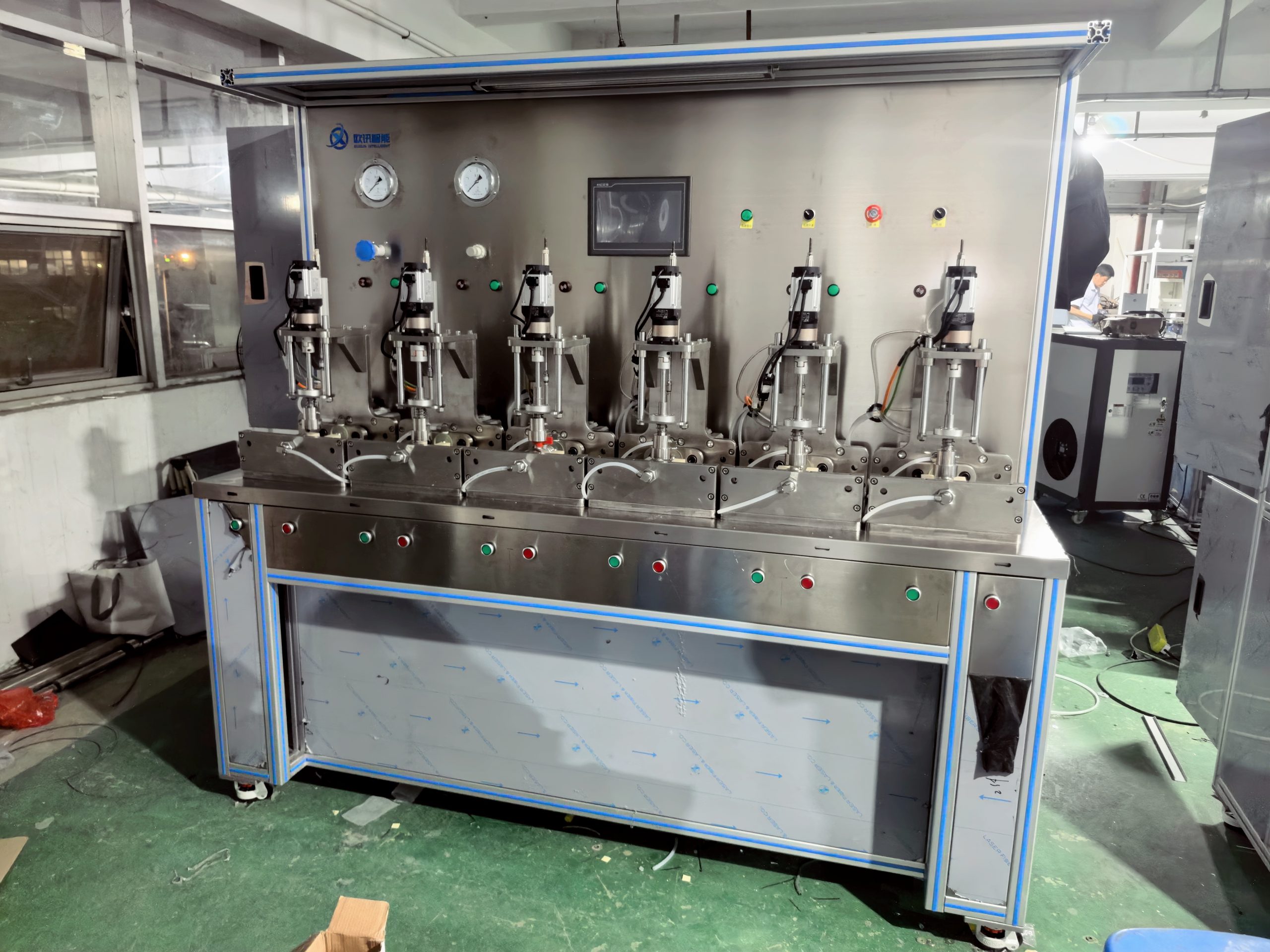
- 4. Map to bench capability. Pressure limit, size coverage, media (water/air/nitrogen), pressure-curve recording and judging method (quantitative mm³/s or bubble counting) — check each against the equipment specification. One mismatch means new tooling or a different bench; the full cross-check table is in the test bench selection checklist.
Step 4 is the one most often skipped, and the one that causes rework at acceptance. If the bench cannot meet the standard, the first three steps do not help.
6. Four common misconceptions
“GB/T 26480 is the Chinese version of ISO 5208.” No. It is a modified adoption of API 598:2009, with US-style inspection flow and records. The actual ISO 5208 adoption is GB/T 13927-2022.
“API 598 is looser than the GB standard, which is why re-tests fail.” Backwards. Converted, the API 598 allowable leakage for metal seats is one class stricter than the default GB Class D — for DN100 the two come out at 30 mL/h versus 28.8 mL/h, essentially coincident. Re-tests fail because the original factory test was run to Class D, not because the standard is loose.
“A new edition means new equipment.” Look at clause-level differences first. prEN 12266-1:2025 against the 2012 edition is mainly editorial with updated references and unchanged methods; GB/T 12245-2025 changes test items and may require additional data channels. Judge by clauses, not by the edition number.
“Passing the type test means the valve can ship.” Type testing (TSG D7002-2023 Annex E) validates the design; factory testing validates each unit. The two records cannot substitute for each other — the boundary between factory, type and post-repair testing is set out in test planning.
7. Continue by scenario
An index only answers “which book”; execution still depends on the scenario:
- – Overall selection logic: how to choose valve testing equipment
- – Pressure test execution: GB/T 13927-2022 method explained
- – Air tightness troubleshooting: five leak paths, seven causes of fluctuation
- – Safety valves: set pressure vs tightness, how to define test items, temperature and pressure relief valve behaviour, comprehensive performance framework
- – Pressure-reducing valves: GB/T 12245-2025 clause check, equipment selection, auto-setting machine boundaries, performance testing essentials
- – Flow coefficient: bench range and measurement chain
- – Torque: why torque keeps rising, bending moment and torque loading
- – Custom benches: fixtures, media and pressure limits, classifying equipment by test task
- – Chemical and hazardous media: media compatibility, pressure limits and special risks
- – Splitting by valve type: frost valves and thermostatic balancing valves
- – Checking standard scope first: GB/T 17213.10 and valve testing
Standards keep changing and this index needs maintenance. Edition status here is recorded as of October 2026; for anything newer, check the two official channels in section 4 rather than second-hand summaries.
Not sure about the test pressure yet? Use the valve test scope configurator — pick valve, size, class and standard, and it returns shell and seat pressures, hold time and a bench list you can email.
Related test equipment
Each test above maps to a bench. Pick by valve type and by the item you need to prove:
- Valve pressure test machine — shell at 1.5x and seat at 1.1x, with a report per valve
- Valve flow test system — flow and differential pressure per opening to derive Cv/Kv
- Valve torque test machine — break-to-open and seating torque curves for actuator sizing
- Valve testing equipment range — browse all models by valve type and test item